A Newark celebration, revisited
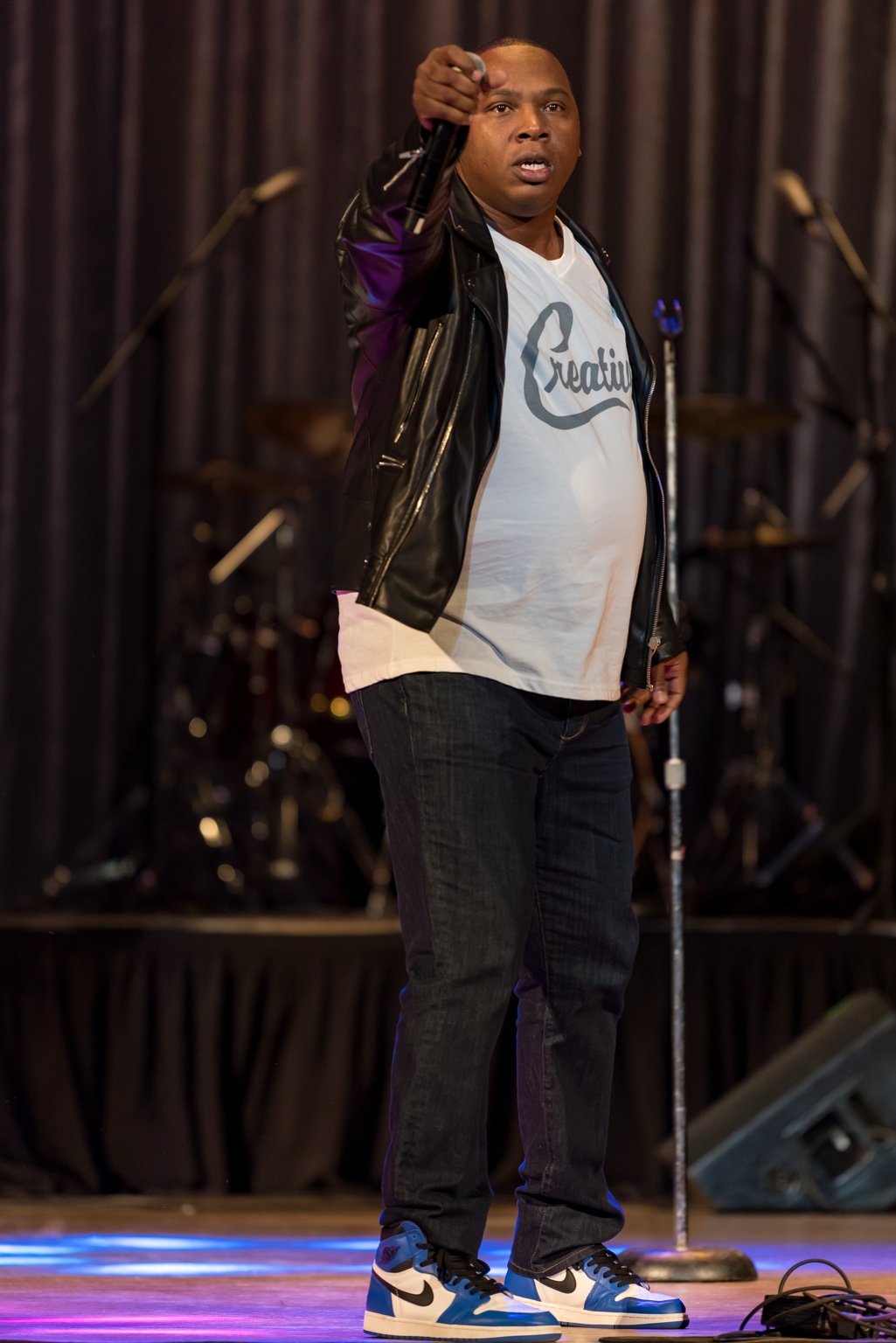
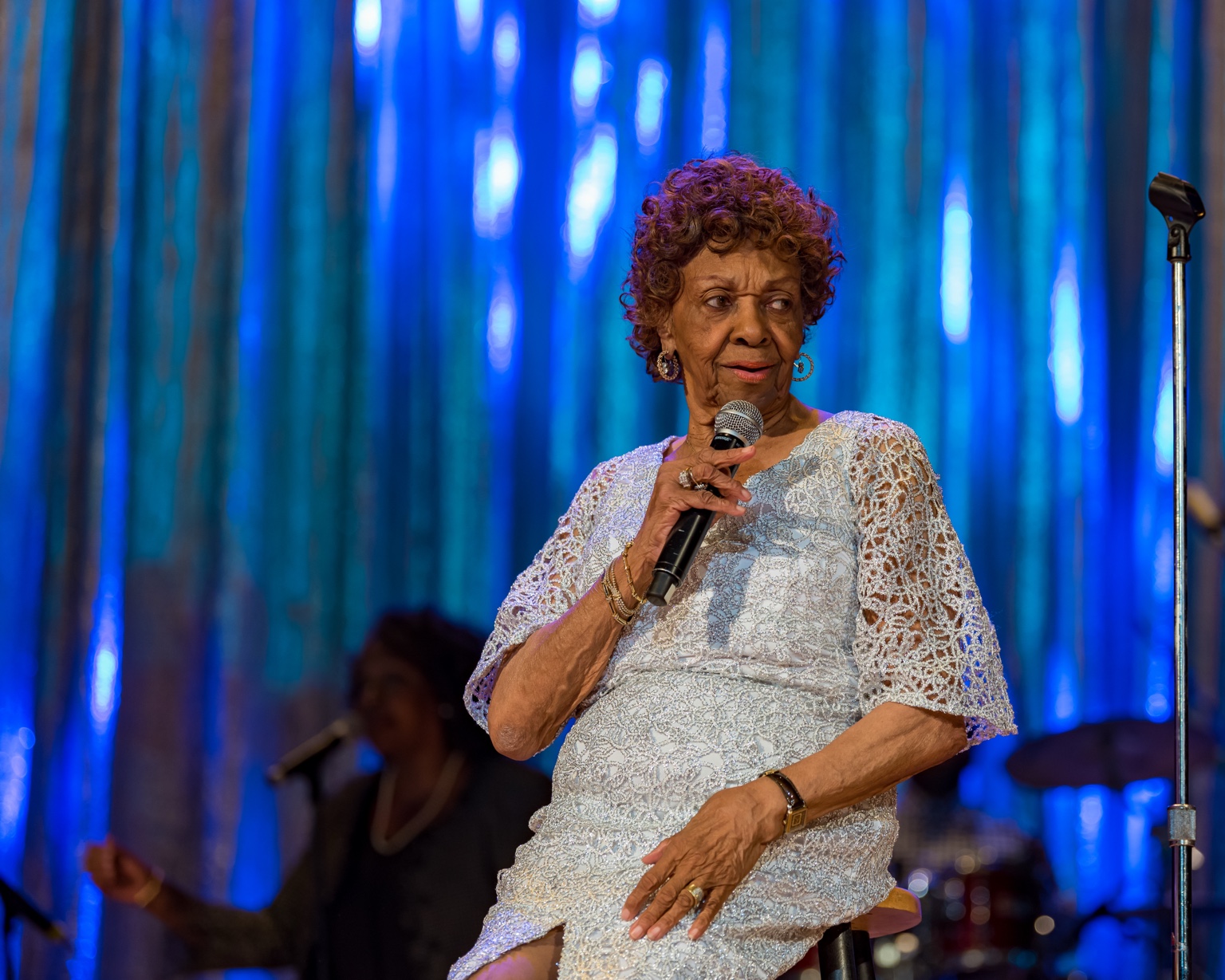
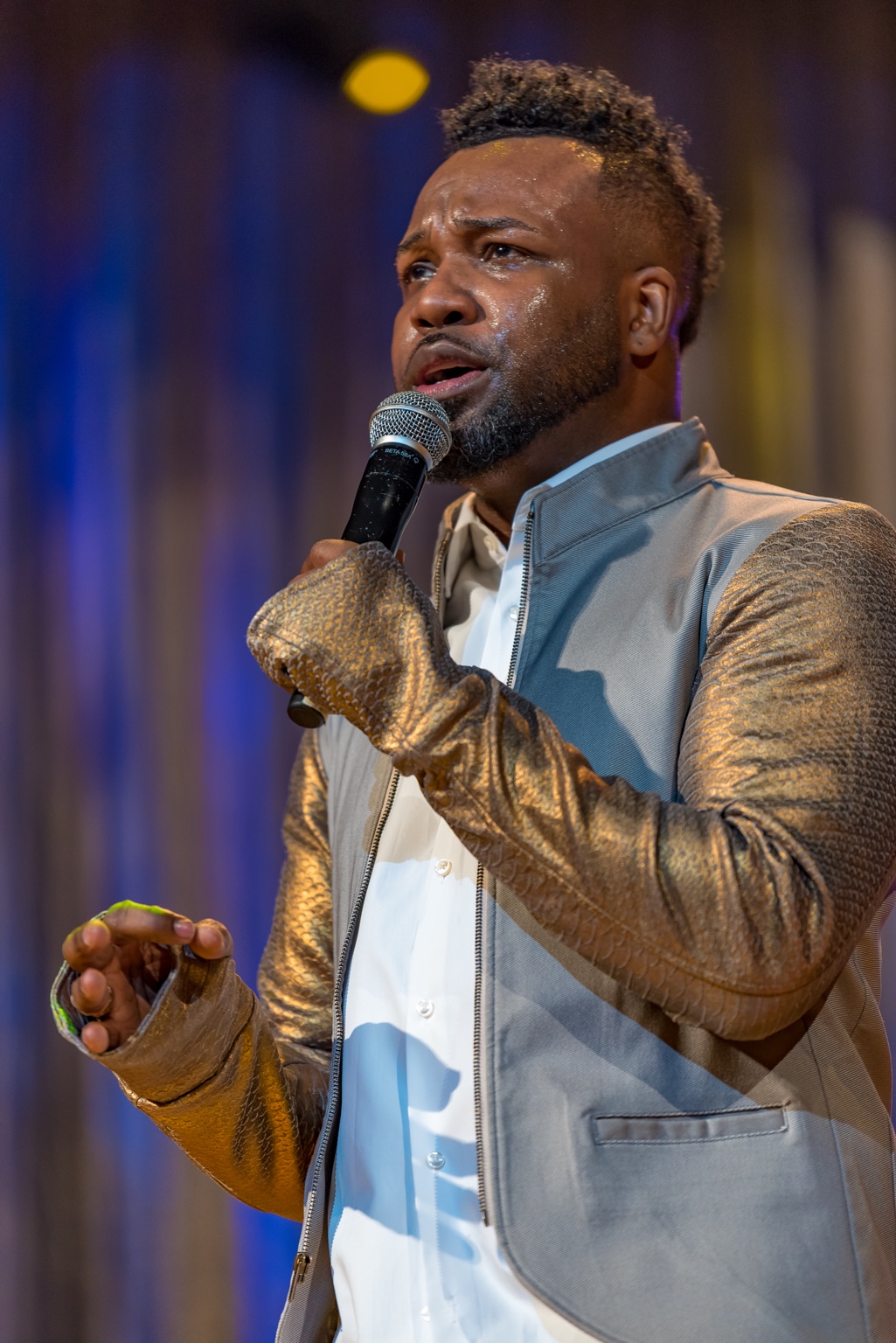
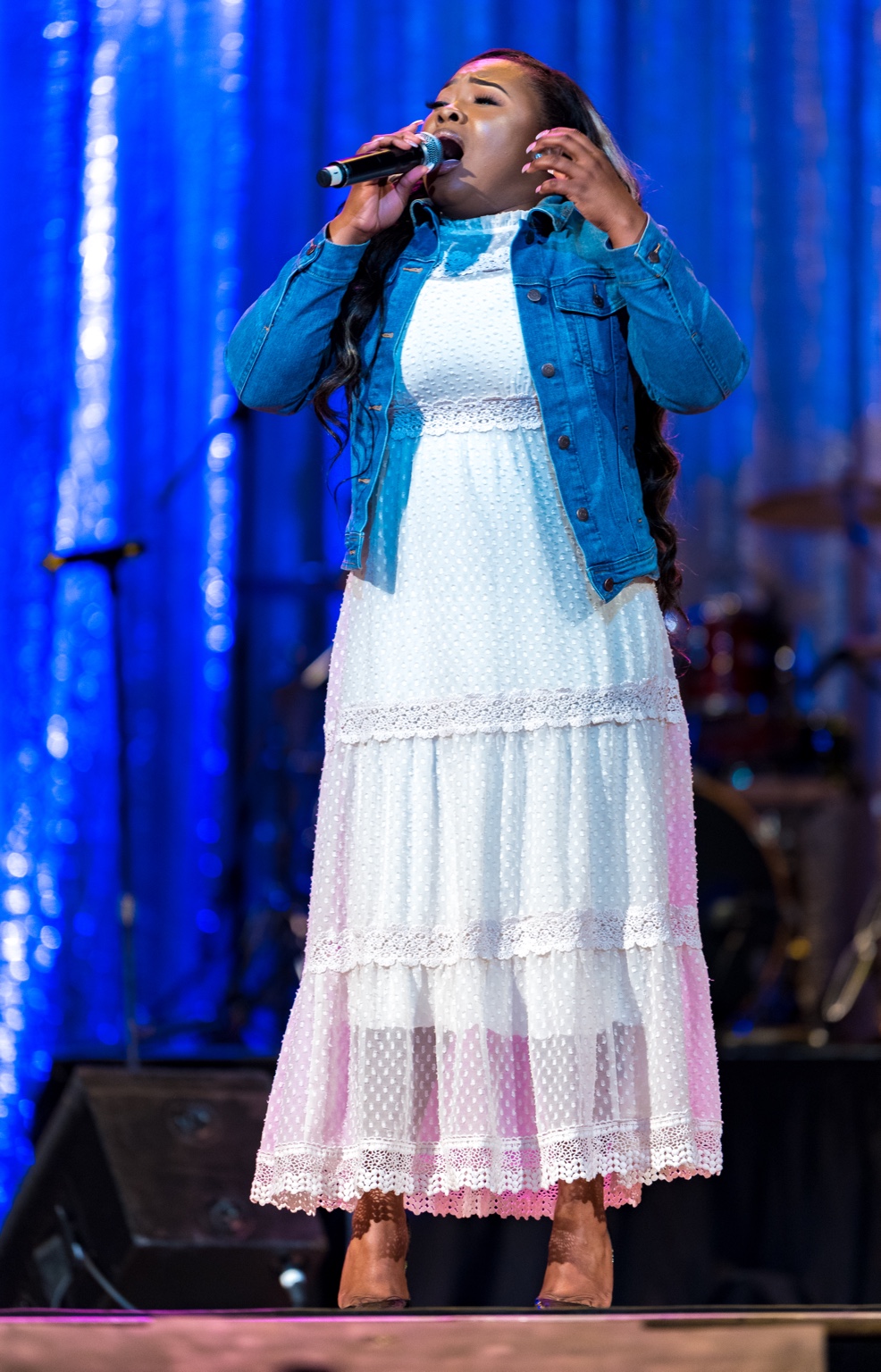
Gospel music makes a powerful photograph because so much of the performance is visible before a single note can be heard. A lifted hand, an open expression, a microphone held close and a body leaning into a phrase all tell part of the story. This eight-image archive from the photographs bring those details into focus at Gospelfest 2018 in Newark, New Jersey. Presented by Style Signal Media, the gallery looks back at an event where musical expression and the visual language of faith shared the same stage.
The organizer’s 2018 announcement placed the 36th annual McDonald’s Gospelfest at Newark Symphony Hall on Saturday, May 12, during Mother’s Day weekend. Its theme was Praise Break. The announced artists included Bishop Hezekiah Walker, Jekalyn Carr, VaShawn Mitchell, Le’Andria Johnson, Wess Morgan, Cissy Houston, Melba Moore and Keith “Wonderboy” Johnson. That lineup provides the historical setting for this photo story, while the photographs offer a closer view of individual moments onstage. Read the organizer’s announcement.
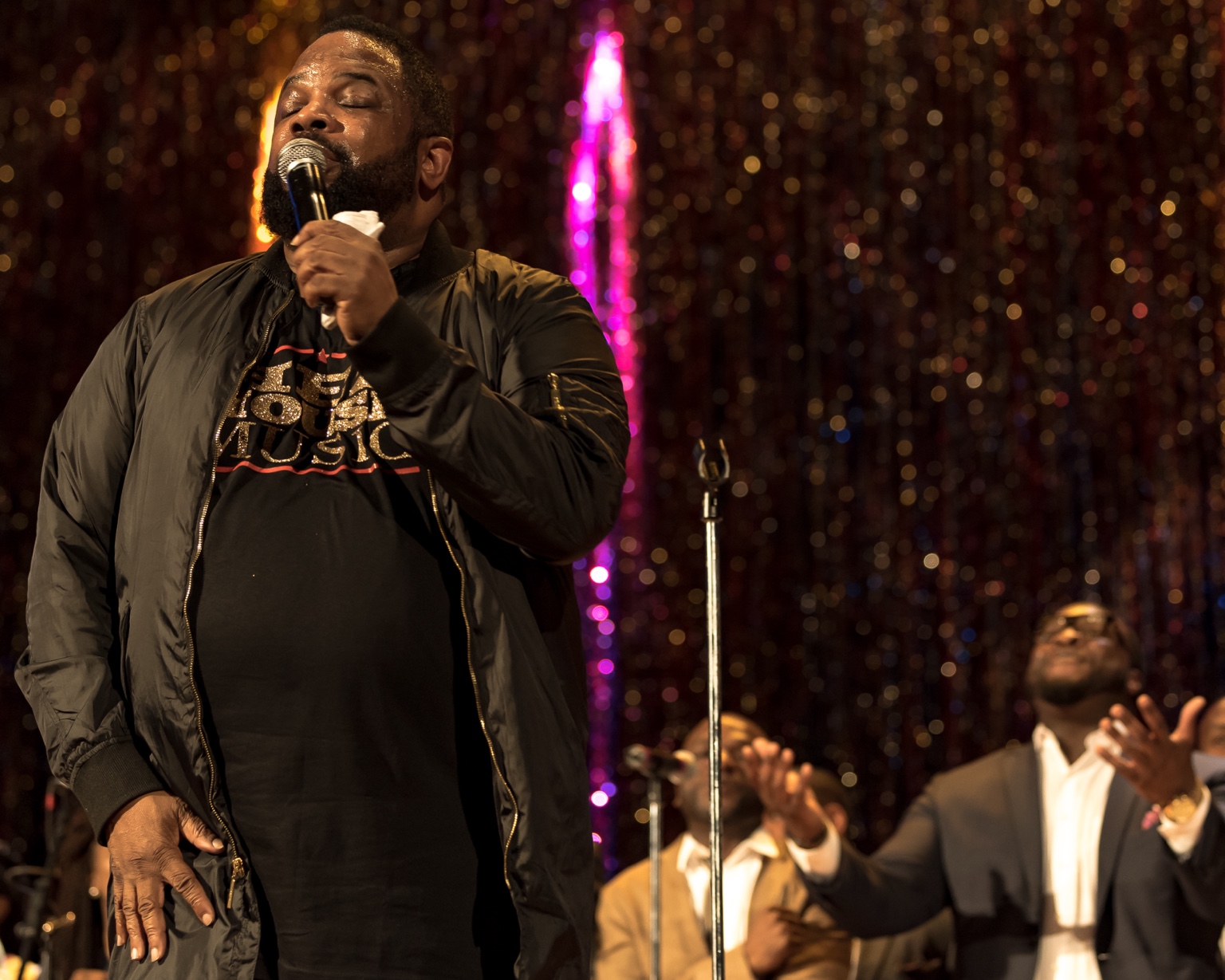
Hezekiah Walker on the cover
Hezekiah Walker anchors this feature through the cover photograph: microphone raised, head turned and the stage lights catching his face against a dark background. Contemporary reporting from NJArts.net named Walker and the Love Fellowship Choir as headliners of the 2018 edition. The same report noted that his own connection to Gospelfest began in its competition program. That history gives his place on the cover an additional resonance, connecting an established artist with the opportunities the event creates for developing performers. Explore the contemporary lineup report.
The cover works visually because it holds several layers of the performance in one frame. Walker is the clear focal point, but the musician behind him and the illuminated backdrop keep the image rooted in a live setting. It is a portrait within a performance rather than a separate studio portrait. His expression and the placement of the microphone suggest concentration, while the surrounding darkness directs attention toward the person delivering the music. The photograph invites the viewer to pause before moving into the rest of the gallery.
Eight frames of expression
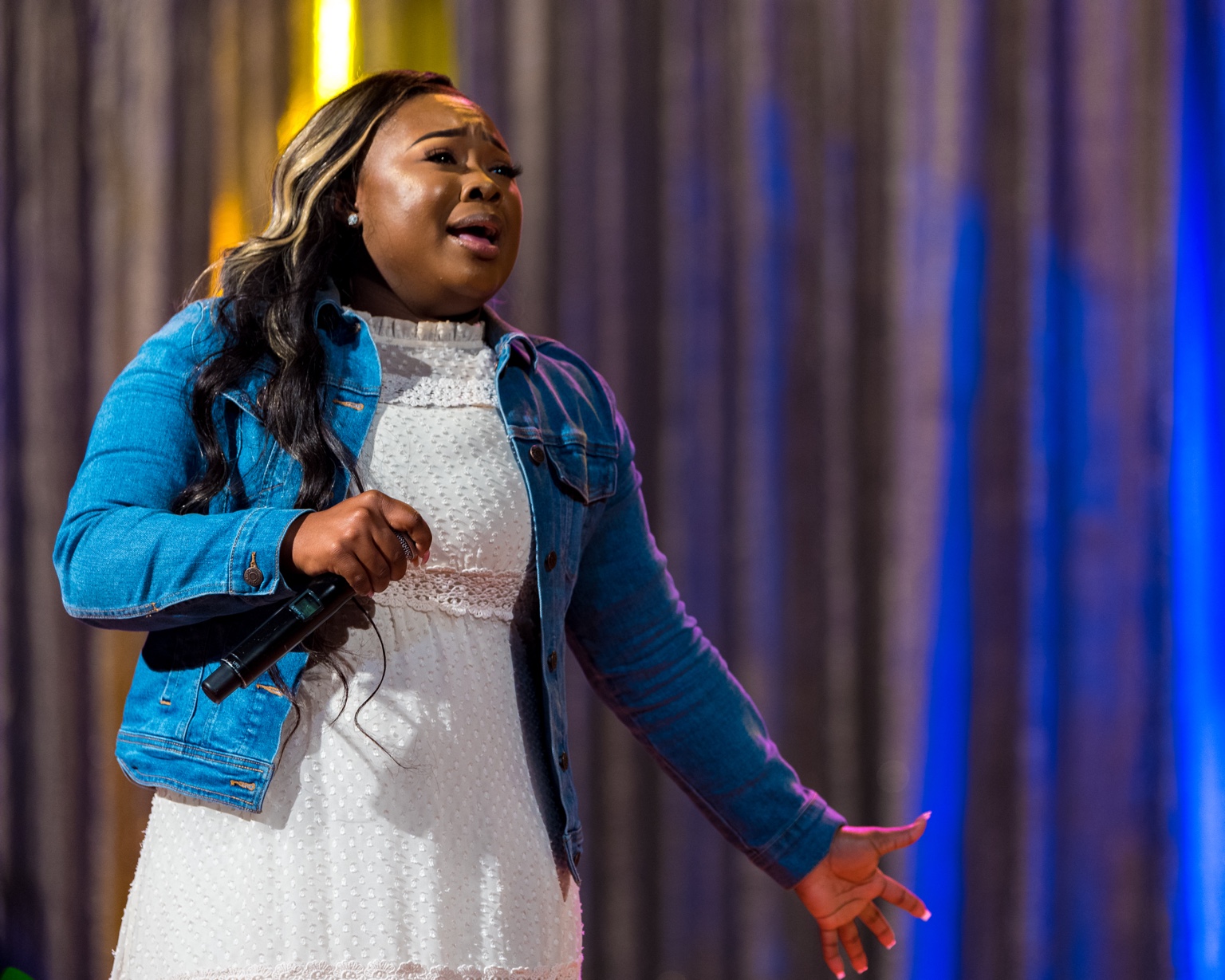
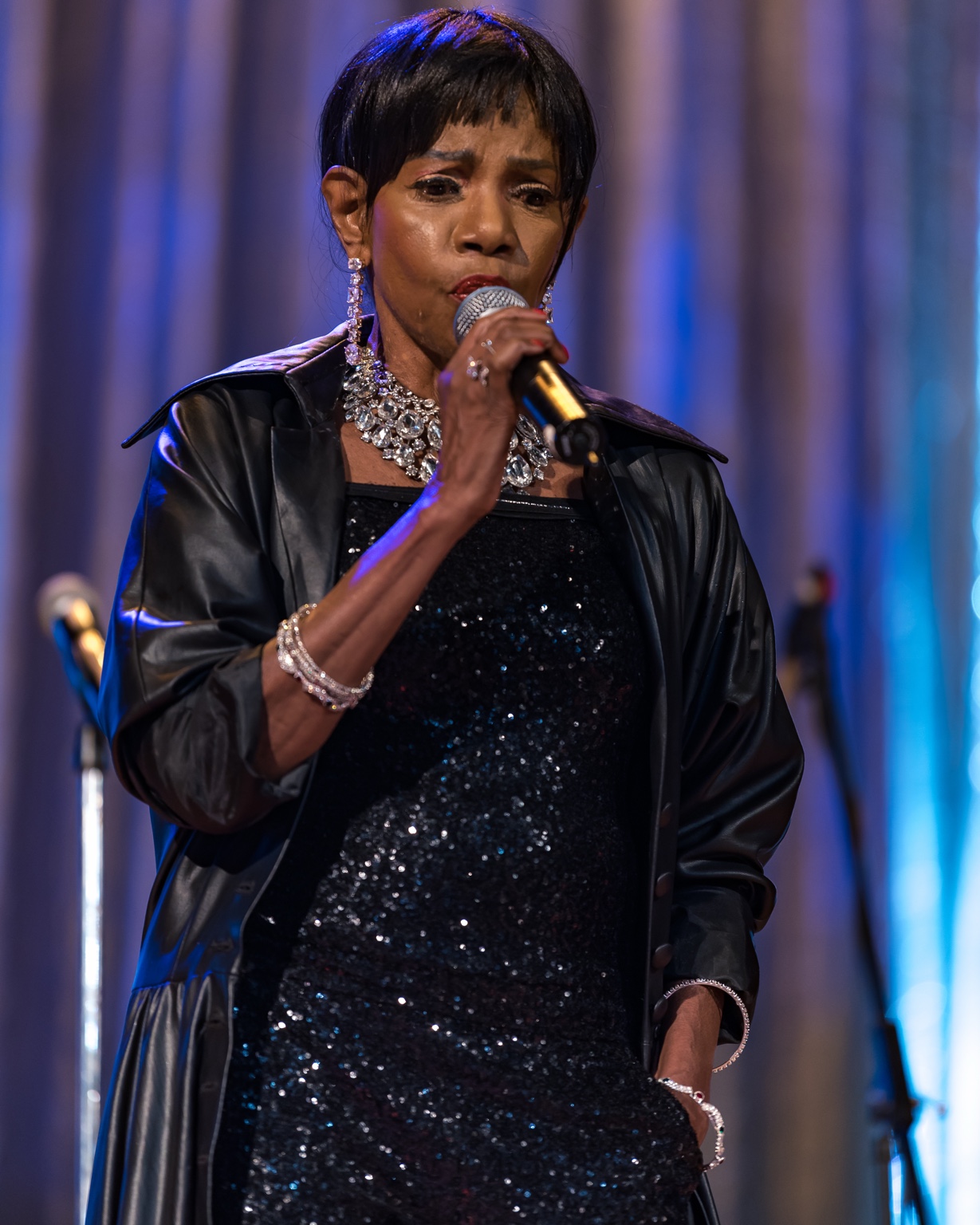
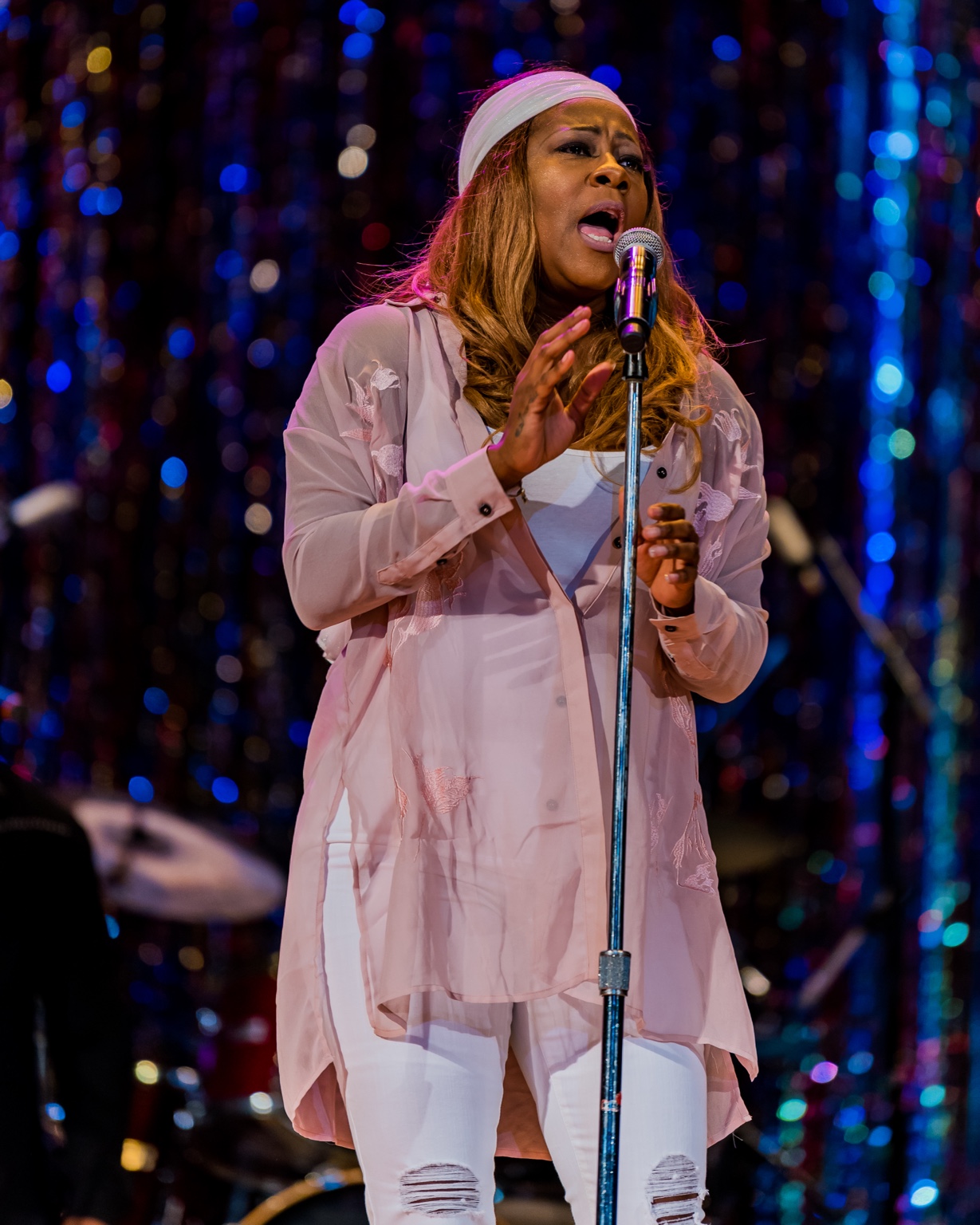
Across the collection, the camera moves between full-length views and tighter portraits. That change in distance matters. A wider image lets clothing, posture and the stage environment contribute to the narrative. A closer image draws attention to the face, the hand and the relationship between singer and microphone. Seen together, these perspectives give the archive variety without losing its central subject: people expressing themselves through performance. The photographs do not need to reconstruct every song or every minute of the program to preserve something meaningful about the occasion.
Color is another thread connecting the images. Cool blue lighting appears behind several performers, while warmer highlights bring out faces and hands. White clothing, metallic fabric, dark jackets and a soft pink outfit respond differently to those lights. These contrasts create a visual rhythm across the page. They also make the gallery a reminder that concert photography records more than the performer alone. The lighting, backdrop and clothing shape how a moment is experienced, even when the frame is viewed years after the event.
In one photograph, an extended hand creates a strong line toward the viewer. In others, a singer’s eyes, lifted chin or open palm carry the emphasis. The two images of a performer in a denim jacket and white dress show how a single appearance can offer distinct photographic moments: one emphasizes the full figure, while another brings the expression closer. Keeping both frames allows the viewer to notice those differences. The sequence rewards looking slowly, with attention to gesture as much as to stage presentation.
A stage for emerging talent
Gospelfest’s competition is an essential part of its story. Kean University reported that its 23-member Gospel Choir won the adult choir category at the May 12, 2018 event, taking first place for a third consecutive year. The choir performed a combination of traditional and modern interpretations of The Blood Still Works. The university’s account also described opportunities that followed earlier wins, including television appearances and a performance backing Sons of Serendip. Read Kean University’s report.
That account broadens the context beyond the featured artists. A festival photograph can draw attention to a familiar face, but the event’s value also includes the work of people still building their careers. Rehearsal, collaboration and the confidence required to perform for an audience are part of that process. In this retrospective, the competition history sits alongside the portrait gallery to acknowledge both aspects of Gospelfest: a platform for recognized performers and a place where emerging voices can take a significant step forward.
Preserving the visual story
An archive gains value when images remain connected to their setting. Naming Newark, identifying the year and linking contemporary sources gives these photographs a useful frame of reference. It allows someone discovering the event today to understand where the images belong. At the same time, the page keeps the photographs central. Readers can move from the cover into the complete gallery, comparing expressions and compositions rather than treating each image as an isolated social media post. The result is a record that can be revisited and shared.
For Style Signal Media, this feature extends the conversation between music, culture and visual storytelling. The photographs in this feature preserve the visible details of Gospelfest 2018: faces under stage lights, hands in motion and performers holding a moment before an audience. Hezekiah Walker’s cover image introduces that story with a clear focal point, while the seven additional frames give it range. Together, they offer an invitation to remember the event through the people onstage and to appreciate the photographs as individual observations within a larger celebration.
Each image also leaves room for a personal reading. Someone may first notice a familiar performer; another viewer may respond to the light, the clothing or the movement of a hand. Bringing those responses together is part of what makes a shared archive useful. It preserves the event while allowing its photographs to speak to new audiences over time.
Event sources
Historical details draw on the organizer’s February 2018 announcement, NJArts.net’s contemporary lineup coverage and Kean University’s May 2018 competition report. Photographs are from the Style Signal Media event archive.